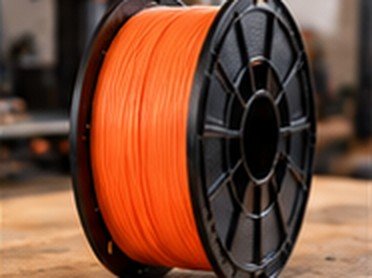
 PLA
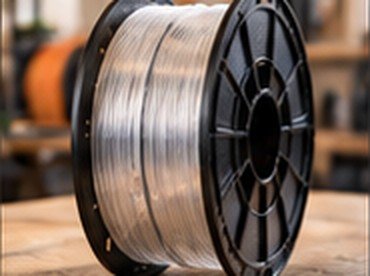 PETG
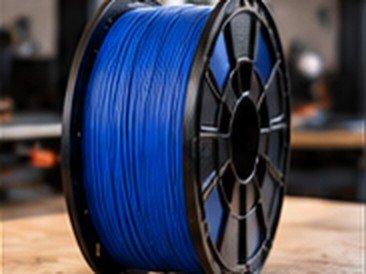 TPU
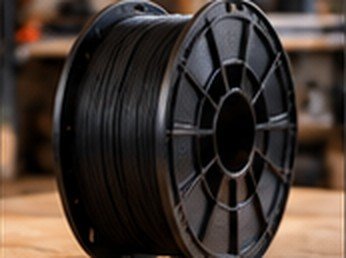 ABS
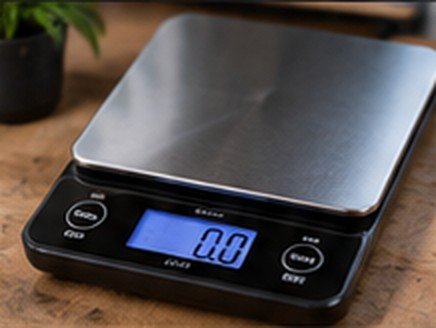 Digital kitchen scale
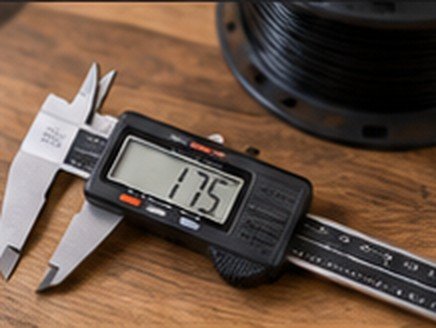 Digital calipers
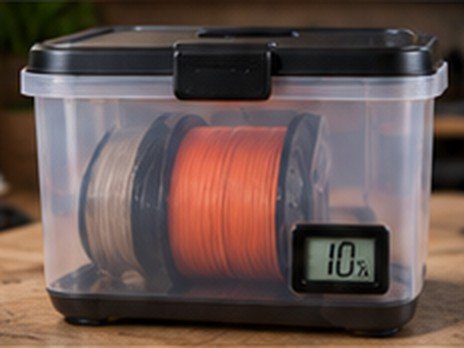 Filament dry box
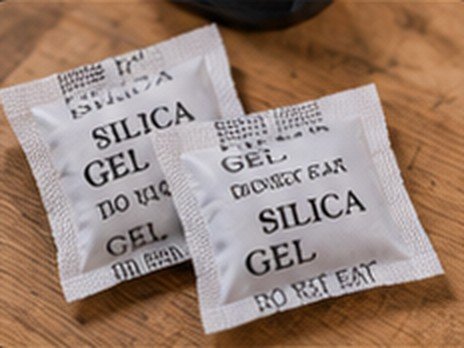 Desiccant packs
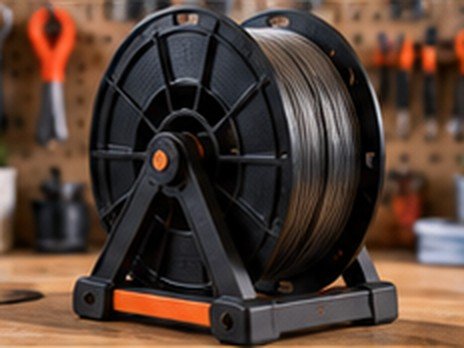 Spool holder
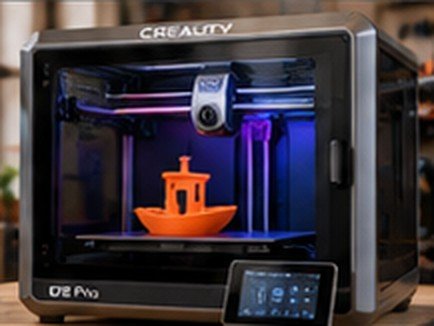 Creality K2 Pro Combo (enclosed, multicolor)
Weigh the spool
Put your current spool on a scale. Then weigh an empty spool of the same type, if you know it.
Track every spool, work out exactly what you have left, and see the feet, meters, dollars and printing hours still on the shelf. No account required.
How much filament do you have left? Weigh your spool, enter the basics, and we’ll handle the math.
Useful things to have on hand when you track your spools. These are shortcuts to Amazon searches, so you can compare brands and prices yourself.
As an Amazon Associate I earn from qualifying purchases. Prices, shipping and availability are set by Amazon and may change.
Save spools on this device and keep track of the whole collection. No account or server required.
Private by design: your inventory is stored in your browser’s local storage. Use Export backup if you want a file you can keep or move to another device.
You don't need a slicer, account or spreadsheet for the basic calculation.
Put your current spool on a scale. Then weigh an empty spool of the same type, if you know it.
Choose the material and diameter, then enter the original, empty and current spool weights.
See grams, feet, meters, value and estimated print time. Save the spool to your inventory if you want.
The easiest method is to weigh the spool you are using, then subtract the weight of the empty spool. The result is the approximate grams of filament still on the roll.
Length is estimated from the remaining filament weight, material density and filament diameter. Because real filament density can vary by material and manufacturer, the length result is an estimate rather than a laboratory measurement.
3D-printing users work in both metric and imperial units. The tracker shows both so you don't have to convert them yourself. The imperial result is rounded to the nearest inch.
The tracker uses your average grams-per-hour figure. For example, 327 g remaining at 12 g/hour is approximately 27.25 hours of printing. This is intentionally an inventory estimate, not a replacement for the model-specific material and time numbers in OrcaSlicer, Cura, PrusaSlicer or Bambu Studio.
Save each spool to My Filament. You can search and filter your inventory, see total remaining filament and value, flag low spools, and record where each spool is stored. Everything is saved locally in your browser.
Short, practical reads on what prints use, what they really cost, and how to keep track of every spool.
Phone cases, planters and helmets worked out in grams, meters and dollars — plus the spool math behind the numbers.
Density, failure-rate waste and moisture spoilage compared — why the cheapest spool is rarely the cheapest print.
Four ways to know what is left on a spool, and the 30-second check to run before any long print.
Filament, electricity, wear and failed prints added up in one worked monthly example.
Simple answers for the things 3D-printer owners run into all the time.
Yes. It is completely free to use — no account, no sign-up, no hidden limits. Your spools are saved privately in your own browser.
It shows the grams, feet, meters, dollar value and estimated printing hours left on your spool. Enter your empty spool weight and the current scale weight, and the calculator does the rest.
Weigh the spool with the remaining filament, subtract the weight of the empty spool, and use the result as your remaining filament weight. The calculator above does that subtraction for you.
Yes. The tracker estimates length from filament weight, material density and diameter. Choose the material and filament diameter, or enter a custom density when you know the manufacturer's value.
It depends on filament diameter and the PLA's density. Use the calculator with 1,000 g and your diameter to get an estimate in feet and inches as well as meters.
It is an estimate. Density varies between materials and manufacturers, and the exact filament diameter may vary slightly. Use the density published by your filament manufacturer when available.
Yes. The calculator includes common materials and a custom-density option for other materials or manufacturer-specific values.
No. Slicers tell you what a specific model is expected to use. This tracker helps you understand what is already on your spool and how long that remaining inventory may last based on your average usage.
No. The calculator works without an account, and saved spools are stored locally in your browser on this device.